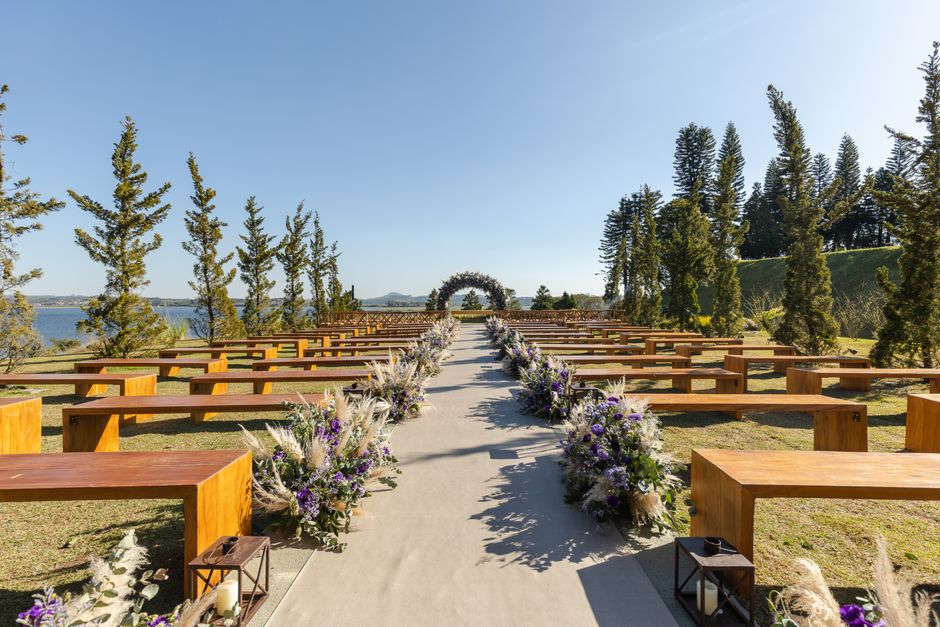
Belmont Village wedding flowers guide venues and chapels
Posted on 13/10/2026
Belmont Village Wedding Flowers Guide for Venues and Chapels
If you are planning a wedding in Belmont Village, flowers can do more than decorate a space. They set the tone, soften the room, guide the eye, and make even a small chapel feel properly special. A thoughtful Belmont Village wedding flowers guide venues and chapels is useful because the best flowers are never just "pretty" - they have to suit the venue, the light, the ceremony style, the aisle layout, and the practical realities of setup on the day.
That sounds simple, but anyone who has tried to match bouquets to a chapel window, a narrow aisle, or a reception room with awkward corners knows it is rarely straightforward. Truth be told, the right floral plan can save you time, stress, and a few last-minute compromises. In this guide, you will find a clear, practical approach to choosing wedding flowers for Belmont Village venues and chapels, from style and scale to timing, budgeting, and common mistakes to avoid.
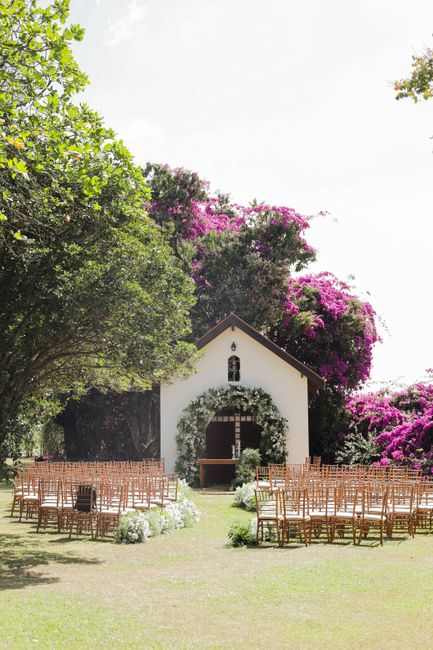
Table of Contents
- Why Belmont Village wedding flowers guide venues and chapels Matters
- How Belmont Village wedding flowers guide venues and chapels Works
- Key Benefits and Practical Advantages
- Who This Is For and When It Makes Sense
- Step-by-Step Guidance
- Expert Tips for Better Results
- Common Mistakes to Avoid
- Tools, Resources and Recommendations
- Law, Compliance, Standards, or Best Practice
- Options, Methods, or Comparison Table
- Case Study or Real-World Example
- Practical Checklist
- Conclusion
- Frequently Asked Questions
Why Belmont Village wedding flowers guide venues and chapels Matters
Wedding flowers are not just decoration. In Belmont Village venues and chapels, they help define the visual rhythm of the day. A bright entrance arrangement tells guests they have arrived somewhere joyful. A simple altar spray can make a chapel feel calm, elegant, and focused. A well-sized bridal bouquet can tie the whole look together without competing with the room.
Why does this matter so much? Because venues and chapels rarely work the same way. A village hall, hotel suite, small private chapel, and church-like ceremony space all demand different flower choices. Some rooms are naturally beautiful and only need subtle styling. Others feel plain or a little stark and need stronger colour, texture, or height. If you choose flowers without considering the setting, even expensive blooms can look slightly lost. Not ideal, and not cheap either.
In our experience, the best floral plans begin with the room, not the bouquet. That mindset keeps the arrangement grounded in the space. It also helps when you need to manage practical realities like limited access times, narrow doorways, candles, restricted petals, or a ceremony that moves quickly from "arrivals" to "I do" with little breathing room in between.
A good wedding flower plan also supports the mood of the day. Soft whites and greens often suit chapels beautifully, while richer tones can work well in more contemporary venues. Seasonal choices can make everything feel fresher, more natural, and less forced. And yes, sometimes the simplest arrangement is the one everyone remembers.
How Belmont Village wedding flowers guide venues and chapels Works
The process is basically about matching floral style to space, timing, and purpose. First, decide what each floral piece needs to do. A bridal bouquet should photograph well and feel comfortable to hold. A chapel arrangement should frame the ceremony without blocking sightlines. Reception flowers should create atmosphere without making tables feel crowded.
Next, look at the venue itself. Think about the colour of walls, floor finish, natural light, the shape of the aisle, and whether there are focal points worth highlighting. A chapel with stained glass, for example, may already have strong colours in the room, so the flowers need to complement rather than compete. A bright modern venue may allow bolder blooms and more sculptural designs.
Then comes the practical side. Flower delivery, setup windows, and any access rules matter more than most couples expect. If a venue only allows a short turnaround before guests arrive, you need arrangements that can be installed fast. If the chapel has shared services or multiple events in a day, your florist must plan around that. Slightly boring detail? Maybe. Absolutely essential? Also yes.
Finally, the flowers should work as a connected set. That does not mean every arrangement has to match exactly. It means the bouquet, buttonholes, table flowers, and ceremony pieces should share a clear family resemblance in colour, texture, or style. When this is done well, the whole wedding feels cohesive without looking over-designed.
Key Benefits and Practical Advantages
A well-planned floral approach for Belmont Village wedding venues and chapels offers more than visual appeal. It makes decision-making easier and helps avoid waste. Here are the main benefits couples usually notice:
- Better fit for the room: arrangements can be sized correctly for aisles, altars, tables, and entrance points.
- Stronger photos: flowers can frame key moments and give the photographer softer foreground detail.
- Less stress on the day: when arrangements are pre-planned, delivery and setup feel much calmer.
- More coherent styling: flowers help connect the ceremony space, reception, and wedding attire.
- Smarter spending: you can focus budget where it will be seen most, rather than spreading it thinly everywhere.
There is also a subtle emotional benefit. Flowers make a venue feel cared for. That sounds small, but guests notice it instantly. A plain room with thoughtful floral detail feels welcoming. A chapel with a carefully placed arrangement feels reverent, warm, and personal. The whole day gets a gentler atmosphere. You can almost hear the room settle.
If you are trying to make a modest venue feel special, flowers are often the most efficient way to do it. If the venue is already beautiful, they add polish. Either way, they are doing real work.
Who This Is For and When It Makes Sense
This guide is useful if you are planning a wedding in Belmont Village and want flowers that suit the actual setting, not just a mood board. It is especially helpful for couples choosing between several venue styles, or those unsure whether a chapel needs formal arrangements, soft romantic pieces, or something clean and understated.
It also makes sense for:
- couples getting married in a chapel with limited setup time
- brides and grooms comparing venue packages that include flowers versus booking separately
- families helping with a local wedding where budget and practicality matter
- couples who want a coordinated look without overfilling the room
- anyone trying to match flowers to a church-like or intimate ceremony space
If you are the kind of person who can picture the dress but not yet the tables, this guide will help. And if you already have a clear floral style in mind, it should help you pressure-test it against the venue. That is where problems often hide - in the gap between imagination and the actual room.
Step-by-Step Guidance
1. Start with the venue layout
Walk through the ceremony and reception spaces if you can. Notice the entrance, aisle width, altar or front focal point, and where guests will sit. In chapel settings, even small things like a central rail, side steps, or the height of the window ledge can affect floral placement.
2. Identify the floral jobs
List what each arrangement needs to do. For example, the bridal bouquet should feel balanced in hand. Buttonholes should be secure and comfortable. Table arrangements should allow conversation. Ceremony flowers should frame the vows without getting in the way of sightlines. Clear jobs make better design decisions. Simple, but very effective.
3. Choose a style direction
Decide whether you want classic, romantic, modern, rustic, or luxurious styling. A chapel often suits softer forms, graceful lines, and white or pastel flowers. A more contemporary venue may support brighter colour, bolder shapes, or a mixed palette. The style direction should feel consistent with the building, not forced onto it.
4. Pick a colour story
Choose two or three main tones and let the rest support them. White, blush, green, ivory, mauve, peach, and deep red are common wedding choices because they are versatile and photograph well. If the venue has coloured walls or dramatic decor, keep the palette quieter so the flowers do not clash. On the other hand, a neutral room can handle more colour and texture.
5. Decide what needs to be seen first
This is the bit many people skip. Where should the eye go first when guests enter? To the ceremony area? The couple's table? The aisle? A well-placed arrangement answers that question. A florist can help you use flowers as visual signposts, which is especially useful in chapels and smaller venues.
6. Build the order of priority
If budget is finite, spend most on the arrangements people will see most: bouquet, ceremony focal flowers, entrance display, and top table or main reception feature. Secondary items can be simpler. That does not mean they should be dull. It just means they do not need to compete for attention.
7. Confirm logistics early
Make sure your florist knows delivery times, parking limits, access routes, and who is receiving the flowers on site. Wedding mornings can be a bit frantic - someone is fixing a cufflink, someone else is searching for the veil, and then the flowers arrive. A calm handover helps a great deal.
8. Review the final plan against the venue rules
Some venues and chapels have restrictions on open flame, petals, attaching items to walls, or placing arrangements on certain surfaces. It is better to check this early than to improvise on the day. The arrangements themselves may be perfect, but if they cannot be placed where intended, the plan starts to wobble.
Expert Tips for Better Results
Here are the small, experienced-led details that often make the biggest difference.
- Use the venue's natural light: if the room is bright, flowers with soft texture look fresh and elegant. In lower light, stronger shapes and clearer colours tend to read better in photos.
- Balance scent carefully: highly fragrant flowers can be lovely, but in a chapel or enclosed room they may become overwhelming. A little fragrance goes a long way.
- Think in layers: use larger focal flowers, medium supporting blooms, and greenery or delicate accents to create depth.
- Keep aisle arrangements lower than you think: tall flowers can block faces in ceremony photos. The couple should be the focus, not the hydrangeas doing a dramatic solo.
- Match sturdiness to timing: if the flowers will be out for a long day, choose varieties that hold their shape well.
- Use one repeated element: a recurring flower, leaf shape, or ribbon style can quietly connect the whole wedding.
A useful rule of thumb: the closer guests will stand or sit to an arrangement, the more detail matters. In a chapel, people are near enough to notice wiring, uneven stems, or oversize bows. Tiny things, but they add up.
And one more thing. Do not let every piece shout. A wedding floral scheme often feels stronger when a few items are intentionally understated. That contrast gives the important moments room to breathe.
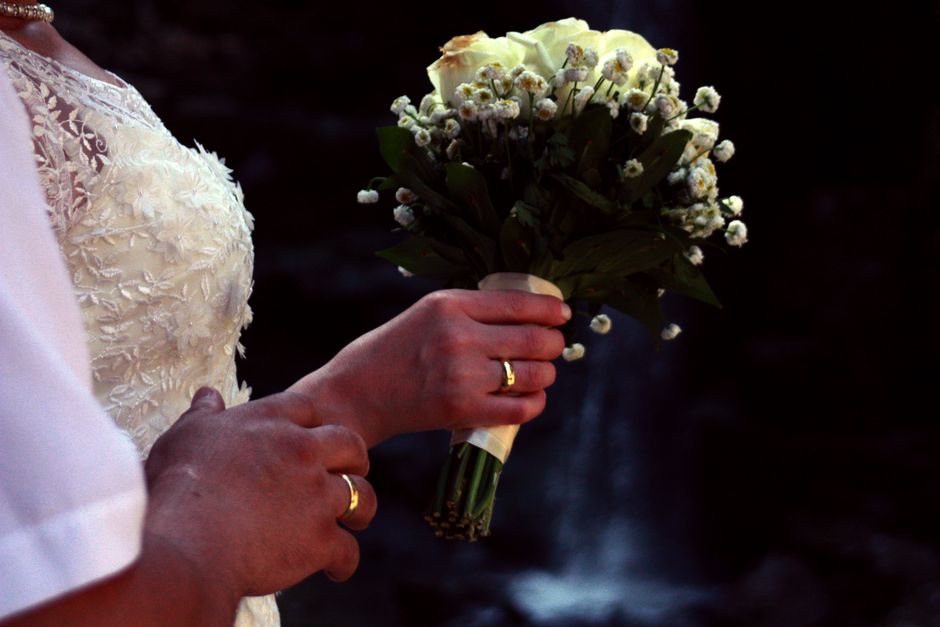
Common Mistakes to Avoid
Most floral mistakes are not dramatic. They are practical oversights that show up at the worst possible moment. The good news is they are avoidable.
- Ignoring the room size: big arrangements in a tiny chapel can feel cramped, while small pieces in a large venue can disappear.
- Choosing flowers before checking the space: a beautiful bouquet does not automatically suit every building.
- Overcrowding tables: guests should still be able to talk, pass plates, and see each other.
- Forgetting setup timing: if flowers arrive too early or too late, they may not be at their best when guests arrive.
- Mixing too many styles: romantic, rustic, modern, and vintage all at once can look muddled.
- Overusing scent or pollen-heavy blooms: some guests may be sensitive, and chapel spaces can amplify fragrance.
- Not asking about venue restrictions: petals, candles, hanging pieces, and fixed installations may all be subject to rules.
The most common problem, honestly, is trying to make every part of the wedding equally prominent. That rarely works. A strong plan knows where to be quiet and where to be bold.
Tools, Resources and Recommendations
You do not need a mountain of tools to plan wedding flowers well, but a few practical resources make the process much easier.
- Venue floor plan or room sketch: helpful for visualising entrances, altar positions, and table layout.
- Photo references: collect images of rooms similar to your venue so you can judge scale and style realistically.
- Colour swatches: useful for comparing blooms with bridesmaid dresses, table linen, or ceremony decor.
- Delivery and timing notes: keep a simple written schedule for florist arrival, setup, and collection if needed.
- Flower care guidance: if arrangements are delivered ahead of time, follow care instructions so the blooms stay fresh.
For couples who prefer a ready-made approach, themed wedding collections can help narrow choices without starting from zero. Options such as the weddings collection, bridal bouquets, bridesmaid bouquets, buttonholes, and table arrangements can make planning more straightforward while still allowing a polished finish.
If you are looking for a coordinated wedding look, it can also help to explore full collection pages such as I Cherish You Wedding Collection, White Wonders Wedding Collection, or The Perfect Match Wedding Collection. These are useful when you want the florist to do the design thinking for you, but still want a choice that feels personal.
For everyday preparation and post-wedding care, it is also worth reviewing flower care advice and delivery guidance on the site so you know what to expect before the day arrives.
Law, Compliance, Standards, or Best Practice
Wedding flowers themselves are not usually regulated in the way food or legal services are, but venue and chapel best practice still matters. In the UK, the main concern is usually respecting the venue's operational rules, access arrangements, fire safety considerations, and any restrictions around candles, adhesives, petals, or fixed decor.
It is wise to confirm the following in advance:
- whether flowers can be delivered directly to the ceremony space
- what time setup is allowed
- whether any items may be attached to walls, pews, chairs, or railings
- if open flame or candles are permitted near floral displays
- whether confetti, loose petals, or floor arrangements are allowed
If the chapel is a religious venue, there may also be traditions or etiquette around where flowers can be placed and which areas should remain clear. These expectations can vary, so it is best to ask politely and early rather than assume. To be fair, most venue teams appreciate couples who think ahead.
For florists, standard professional practice includes using secure mechanics, transporting arrangements safely, and keeping communication clear about delivery windows and collection. Couples do not need to know every technical detail, but a good florist should be able to explain how each arrangement will stay stable, fresh, and suitable for the venue conditions.
Options, Methods, or Comparison Table
Different venues and chapels suit different floral approaches. Here is a simple comparison to help you judge what is likely to work best.
| Approach | Best for | Strengths | Watch-outs |
|---|---|---|---|
| Minimal ceremony styling | Small chapels or already beautiful spaces | Elegant, calm, budget-friendly | Can feel too sparse if the room is very plain |
| Classic coordinated florals | Traditional venues and chapel weddings | Timeless, balanced, easy to photograph | Can look generic if colour and texture are not considered |
| Romantic abundant arrangements | Reception rooms and statement entrances | Luxurious, full, memorable | May crowd small spaces or narrow tables |
| Seasonal mixed designs | Couples wanting a natural, relaxed feel | Fresh, varied, often visually rich | Needs good planning to avoid looking untidy |
| Collection-based ordering | Busy couples who want simplicity | Fast to choose, cohesive styling | Less room for highly custom details |
In practice, many couples use a hybrid approach. They choose a strong bridal bouquet and ceremony focal flowers, then keep tables and secondary pieces simpler. That balance tends to work well in Belmont Village settings where the venue may already provide some visual interest.
Case Study or Real-World Example
Imagine a couple planning a late-spring ceremony in a modest Belmont Village chapel followed by a small reception in a nearby function room. The chapel has pale walls, narrow aisles, and lovely natural light in the morning. The reception room is neutral, almost plain, with simple tables and not much built-in decoration.
At first, they are tempted to do one big floral statement everywhere. But once they think it through, the better approach becomes obvious. The chapel needs restraint: a soft altar arrangement, compact aisle pieces, and a bouquet that looks graceful in close-up photos. The reception room, however, can handle more visual weight, so the centrepieces become a little fuller, with more greenery and a few richer tones to warm the space.
They also choose matching buttonholes and a bridesmaid bouquet that echo the same flowers without mirroring them exactly. That small variation makes the whole day feel cohesive rather than over-rehearsed. When guests arrive, they do not think, "What lovely flowers." They think, "This feels like them." That is the point, really.
A sensible plan like this also helps the budget go further. Instead of buying large arrangements for every corner, the couple places flowers where people will actually notice them: at the ceremony focal point, on the main tables, and in the bridal bouquet. The result feels polished, not overdone. Calm. Confident. A bit lovely, actually.
Practical Checklist
Use this checklist as a quick sense-check before you confirm your wedding flowers.
- Have I measured or reviewed the venue and chapel layout?
- Do I know where the main floral focal points will be?
- Have I chosen a clear colour palette?
- Do the flowers suit the size and style of the room?
- Have I checked any venue or chapel restrictions?
- Are delivery times and access details confirmed?
- Will the table arrangements leave enough space for guests?
- Have I matched bouquet, buttonholes, and ceremony flowers in one style family?
- Do I need a collection-based option for simplicity?
- Have I thought about scent, durability, and photo visibility?
Expert summary: the best wedding flowers for Belmont Village venues and chapels are the ones that feel intentional, fit the room naturally, and make the important moments easier to enjoy. If the flowers support the day rather than fighting it, you are usually on the right track.
Conclusion
Choosing flowers for Belmont Village wedding venues and chapels is less about chasing the biggest bouquet and more about finding the right balance. The room matters. The light matters. The ceremony flow matters. Once those pieces are working together, the flowers stop being an extra and become part of the atmosphere itself.
If you keep your decisions grounded in the venue, your budget, and the moments people will actually notice, you will end up with something far more memorable than a generic floral package. You will have flowers that belong in the space. And that, in weddings, is worth a great deal.
If you are still weighing up styles or trying to decide how much to spend where, start with the ceremony space and build from there. It is the simplest way to avoid mistakes and keep the whole day feeling calm, beautiful, and properly yours.
Get a free quote today and see how much you can save.
Frequently Asked Questions
What flowers work best for Belmont Village wedding chapels?
Soft whites, creams, blush tones, and greenery are usually a safe and elegant choice for chapels, especially if the room is small or already has strong architectural detail. If the space is brighter or more modern, you can often use richer colour more confidently.
How do I choose flowers that suit my venue?
Start with the size, light, and style of the room. A formal venue may suit classic arrangements, while a chapel often looks better with softer, less bulky designs. Think about where guests will sit and stand, because sightlines matter more than people expect.
Should chapel flowers be different from reception flowers?
Often, yes. The ceremony space may need more restraint, while the reception can carry fuller table arrangements or a stronger feature display. They should still feel connected through colour or flower choice, just not identical.
How far in advance should I order wedding flowers?
It is sensible to book well ahead, especially for popular dates. The exact timing depends on the florist and season, but earlier is better if you want a particular style, specific blooms, or a more bespoke design.
Can I keep wedding flowers simple and still make an impact?
Absolutely. A single strong bouquet, a neat ceremony focal arrangement, and a few well-placed table pieces can look more polished than a room full of random extras. Simplicity often photographs beautifully too.
What should I ask a florist before booking?
Ask about delivery timing, setup support, venue access, what flowers are likely to be seasonal, and how they handle substitutions if a particular bloom is unavailable. Those questions help you avoid surprises later on.
Are collection-style wedding flower packages a good idea?
They can be, especially if you want a coordinated look without spending too much time on design decisions. Collection pages like bridal bouquets, bridesmaid bouquets, buttonholes, and table arrangements can simplify planning quite a bit.
How do I make sure flowers look good in photos?
Use arrangements with clear shape and texture, avoid overcrowding the space, and place the most important flowers where light falls naturally. Your bouquet and ceremony focal flowers will be photographed the most, so give them priority.
What if my chapel has restrictions on decor?
Then you work with those limits rather than against them. Ask early about placement rules, candles, petals, or anything that cannot be attached to the building. A good plan can still look beautiful within restrictions.
Is fragrance important when choosing wedding flowers?
Yes, but it should be handled carefully. A little scent can be lovely; too much in a small chapel can feel overpowering. If your guest list includes sensitive noses, choose a gentler fragrance profile.
How can I stay within budget without losing quality?
Focus spending on the most visible areas: the bouquet, ceremony focal point, and main reception tables. Keep secondary pieces simpler. That way the wedding still feels complete, but your budget goes further.
What is the biggest mistake people make with wedding flowers?
Probably choosing flowers before understanding the room. A beautiful design can still feel wrong if it is too large, too bright, or too heavy for the space. Venue first, flowers second. That order usually works best.
A well-planned floral story gives the day a quiet kind of confidence. And that is the part people remember long after the last petal has been cleared away.